
Aeration and seeding that helps compacted soil recover and supports fuller, more even growth.
Aeration & Overseeding in Central New Jersey
Tired of dealing with thin, patchy grass that won’t improve no matter how much you water or fertilize? Compacted soil can prevent air, water, and nutrients from reaching the root zone, leading to weak turf and bare spots that struggle to fill in.
Our core aeration service relieves soil compaction and creates space for roots to grow deeper and stronger. By opening up the soil, aeration helps your lawn absorb nutrients more effectively and respond better to fertilization and seeding. Timing is key, and services are scheduled based on seasonal conditions and your lawn’s specific needs.
Here’s why homeowners trust Superior Turf and Pest Control for aeration and seeding:
- Trained technicians who understand local soil conditions and turf performance.
- Professional equipment that removes soil plugs to relieve compaction effectively.
- Quality seed selections chosen to support thicker, more resilient turf.
- Straightforward pricing with no unnecessary add-ons.
- Flexible scheduling designed to fit your household routine.
Our approach is focused on honest recommendations and proven techniques, not sales pressure or one-size-fits-all solutions. The goal is simple: help your lawn grow stronger, thicker, and more evenly over time.
Revitalize Your Lawn with Professional Aeration and Seeding
Certain lawn conditions signal that additional support is needed beyond routine treatments. Issues like thinning turf, poor drainage, or worn areas from regular foot traffic often point to soil compaction or weakened root systems that limit healthy growth.
Aeration and seeding address these conditions by supporting better soil function and turf recovery, helping lawns respond more effectively to ongoing care and seasonal treatments.
How Our Aeration and Seeding Service Works
Our aeration and seeding process is designed to be clear, efficient, and focused on proper execution rather than unnecessary steps:
- Free lawn assessment to evaluate soil compaction and turf density.
- Seasonal scheduling based on lawn conditions and growth cycles.
- Core aeration to relieve compaction and improve soil access.
- Seed application selected to blend with existing turf coverage.
- Aftercare guidance to support establishment and long-term results.
At Superior Turf and Pest Control, recommendations are based on lawn conditions and seasonal timing, not a preset schedule. This ensures aeration and seeding are used when they provide the most benefit and support the overall health of your lawn moving forward.
Commitment Without Contracts
At Superior Turf and Pest Control, commitment doesn’t come from a signature—it comes from quality work. We don’t believe in locking customers into long-term agreements.
Our goal is to provide consistent, effective solutions that keep you confident in your choice, with the freedom to continue because you want to, not because you have to.
Signs Your Lawn May Benefit from Aeration
Healthy lawns rely on proper water absorption, nutrient movement, and root development. When soil becomes compacted, those essentials can’t move freely, which limits how well your lawn responds to regular care.
Common signs aeration may be needed include:
- Water pooling or running off instead of soaking into the soil.
- Thinning or patchy areas that don’t improve with routine treatments.
- Worn spots in high-traffic areas that struggle to recover.
- Soil that feels hard or difficult to penetrate.
- Excess thatch buildup that creates a spongy feel underfoot.
These conditions are common in lawns exposed to foot traffic, heavy rainfall, and seasonal soil compression. Aeration helps relieve compaction and creates better conditions for roots to grow and absorb nutrients more effectively.
Why Core Aeration and Seeding Work Together
Core aeration removes small plugs of soil, creating openings that allow water, air, and nutrients to reach the root zone. When overseeding follows aeration, seed is able to make direct contact with the soil, improving germination and helping fill in thin areas.
When timed correctly, aeration and seeding support stronger turf development and help lawns respond better to ongoing fertilization and seasonal care. Recommendations are made based on lawn condition and timing, not a fixed schedule.
Frequently Asked Questions
Do I need to water my lawn after aeration and seeding?
Yes—consistent watering is one of the most important steps after aeration and seeding. Once the seed is down, it needs moisture to germinate and develop healthy roots. Here's what we typically recommend:
- Immediately after seeding: Lightly water the entire lawn to settle the seed into the soil and moisten the surface.
- Weeks 1–2: Water lightly once or twice a day, keeping the top inch of soil consistently damp—but not soaked. The goal is to keep the seed moist without causing runoff or puddles.
- Weeks 3–4: As the grass begins to sprout and grow, gradually reduce watering frequency but increase the amount of water per session. This encourages deeper root development.
- After 4 weeks: Watering can typically return to a regular lawn schedule (about 1 inch of water per week, including rainfall), depending on weather and grass type.
Skipping or inconsistent watering can lead to poor germination and patchy results, so staying on top of it—especially in the first few weeks—is key to a lush, healthy lawn.
How often should I aerate my lawn?
Most lawns benefit from aeration once a year, especially if they experience heavy foot traffic, clay soil, or signs of compaction or thinning.
When is the best time to aerate and seed my lawn?
The best time to aerate and seed your lawn depends on the type of grass you have. Seeding outside of these windows can lead to poor germination or weak root development, especially if temperatures are too hot or too cold. For the best results, we also recommend pairing aeration and seeding with proper watering and fertilization tailored to your grass type.
For cool-season grasses (like fescue, Kentucky bluegrass, and ryegrass), the ideal time is early fall (September to October). The soil is still warm, but the air is cooler—perfect conditions for seed germination and root development. Spring (March to early May) is also a viable option, though fall typically yields better long-term results. For warm-season grasses (like Bermuda, zoysia, and centipede grass), the best time is late spring to early summer (May to June), when these grasses are actively growing. Aerating and seeding during this time gives new grass the full growing season to establish.
Aeration & Seeding Service Area
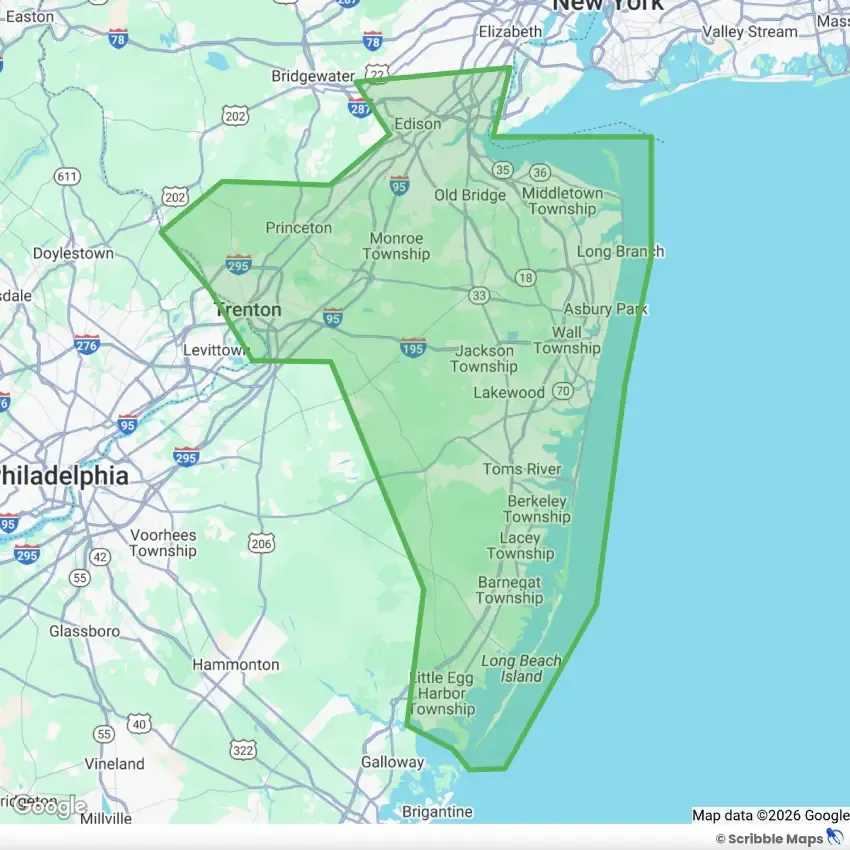
Aeration and seeding services are available throughout our region, helping lawns stay healthy, thick, and vibrant even in challenging soil conditions. Check below to see if Superior Turf and Pest Control provides these services in your community.